
Sizing a constructed wetland is not straightforward
Being natural systems, they do not fall within exact science. The sizing equations include uncertainty factors that the designer must carefully evaluate. A well-designed system compliant with discharge-to-surface-water standards will rarely have an area smaller than 3–4 m² per population equivalent served.
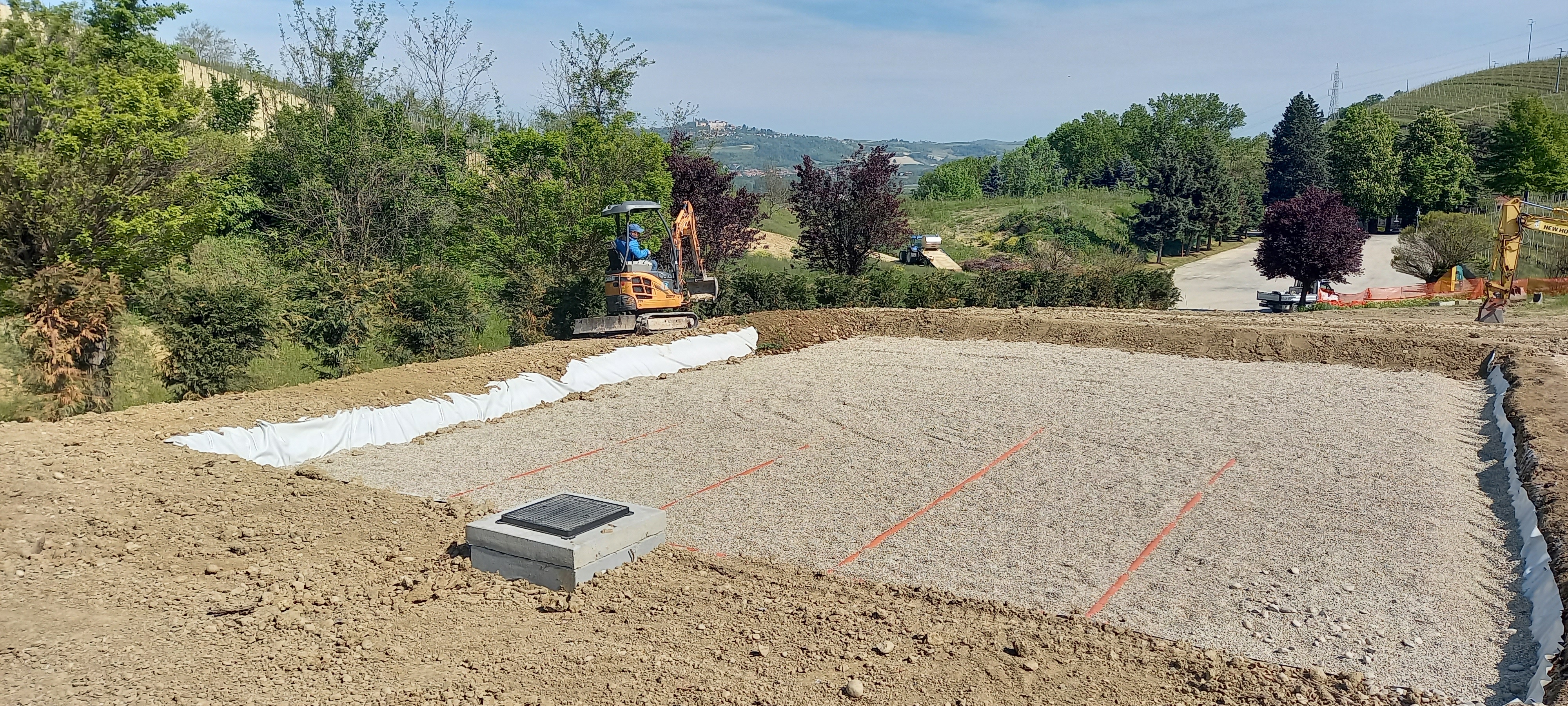
Constructed wetlands are shallow
Since plant roots do not reach depths greater than 80 cm, constructed wetlands have a maximum depth of about 1 m. Systems deeper than 1.3 m are useless and counterproductive — a portion of the wastewater escapes the purifying action of the plants.
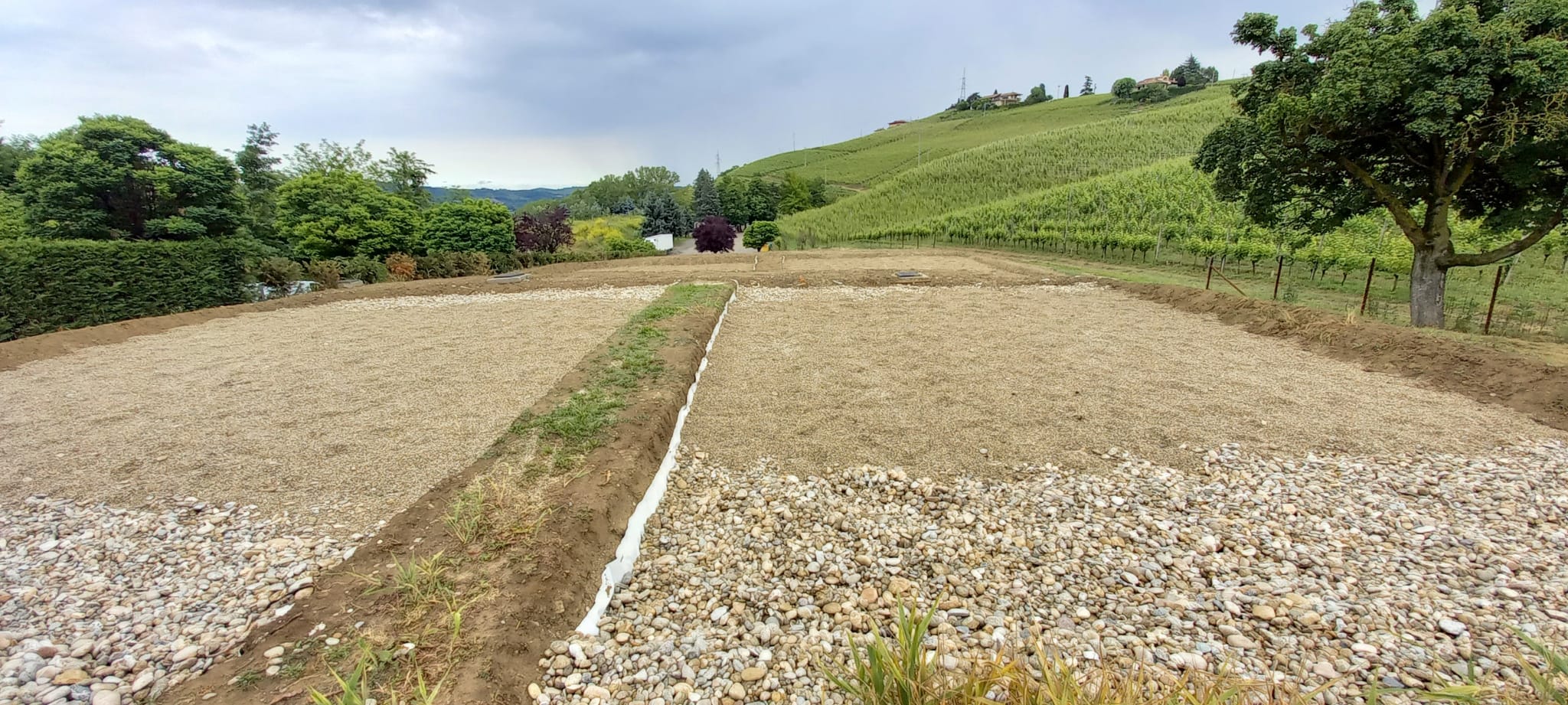
One limitation is the need for space
Constructed wetlands require more space than conventional systems (e.g. approximately 40 m² for 10 PE), which is not always available.
Building a constructed wetland is easy
The absence of advanced technology makes it tempting to think construction is straightforward, but in reality there are several technical requirements unknown to most practitioners that make the work considerably more complex than it appears.
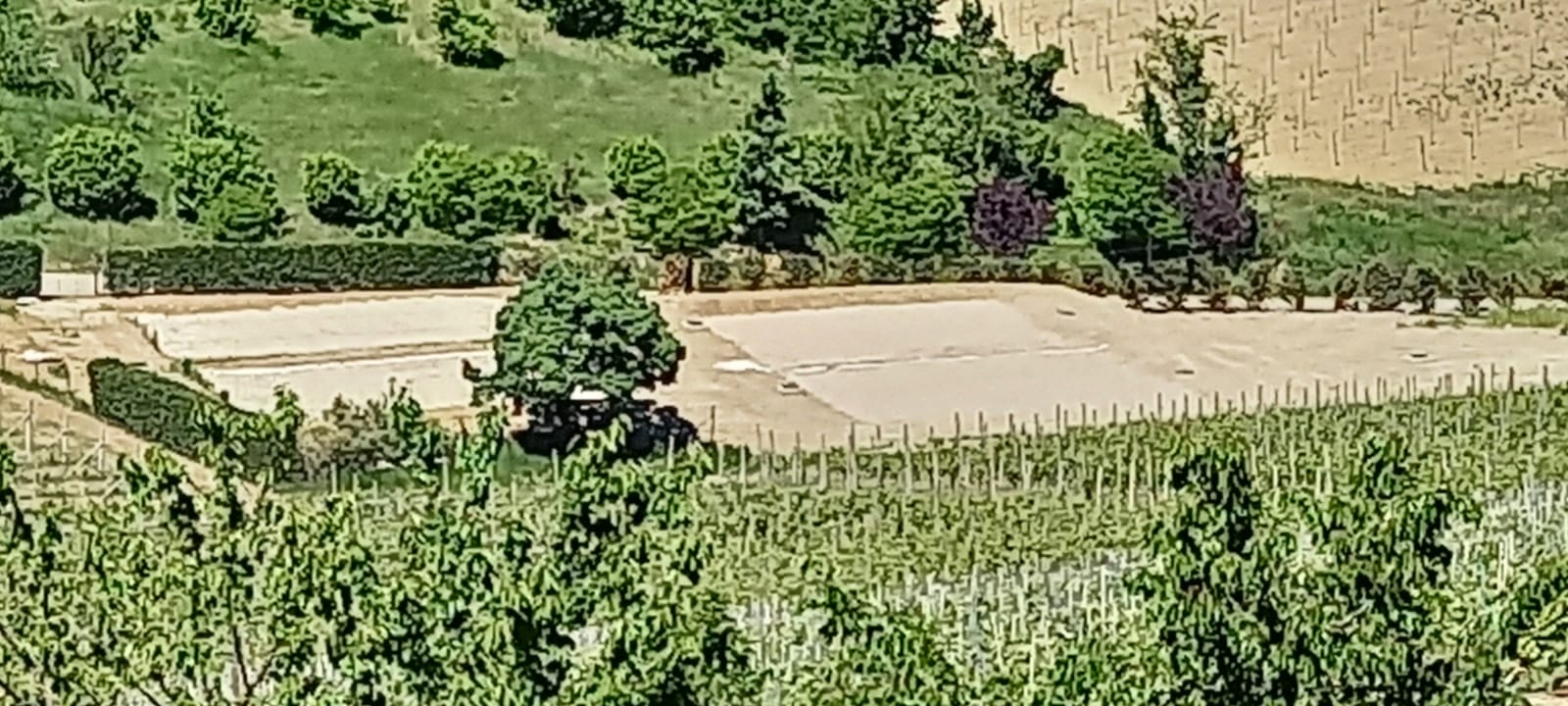
Constructed wetlands are filled with soil
Soil must never be used as fill material. It damages the system and compromises its function by promoting weed growth that inhibits the treatment plants. As stated in the Italian National Technical Guide ISPRA 2012, constructed wetlands are filled exclusively with quarried aggregate.
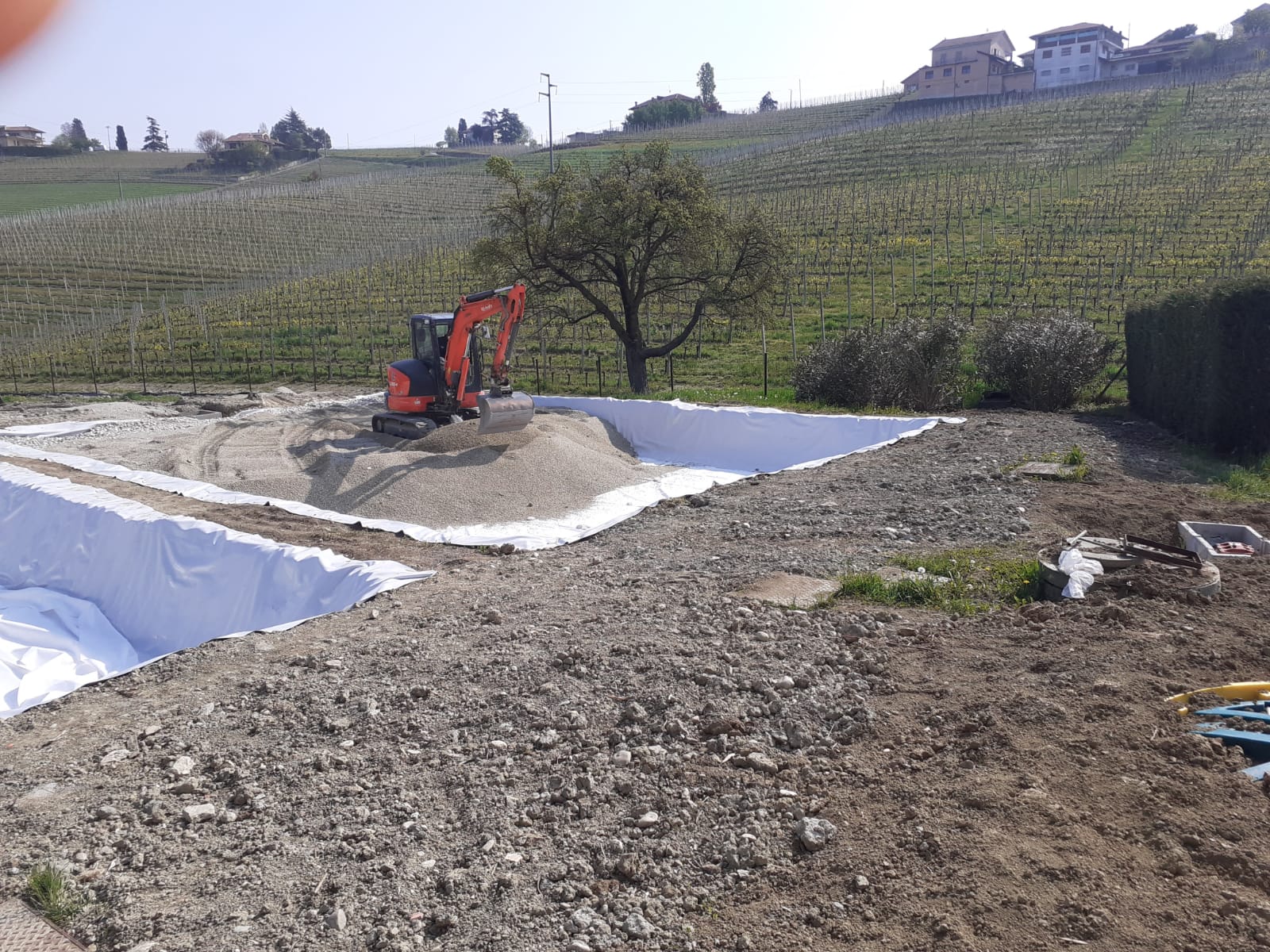
The most common types are horizontal and vertical subsurface flow
Horizontal subsurface flow (max depth 0.8 m) is the most common — easiest to build and manage. Vertical subsurface flow (max depth 1.1 m) allows a smaller footprint but requires an equalisation tank and pumping station, increasing running costs.
Only a limited range of plant species is suitable
Phragmites Australis, various Typha varieties, Juncus, Carex, Scirpus and, secondarily, the yellow marsh iris may be used.
Constructed wetlands are unsuitable for seasonal facilities
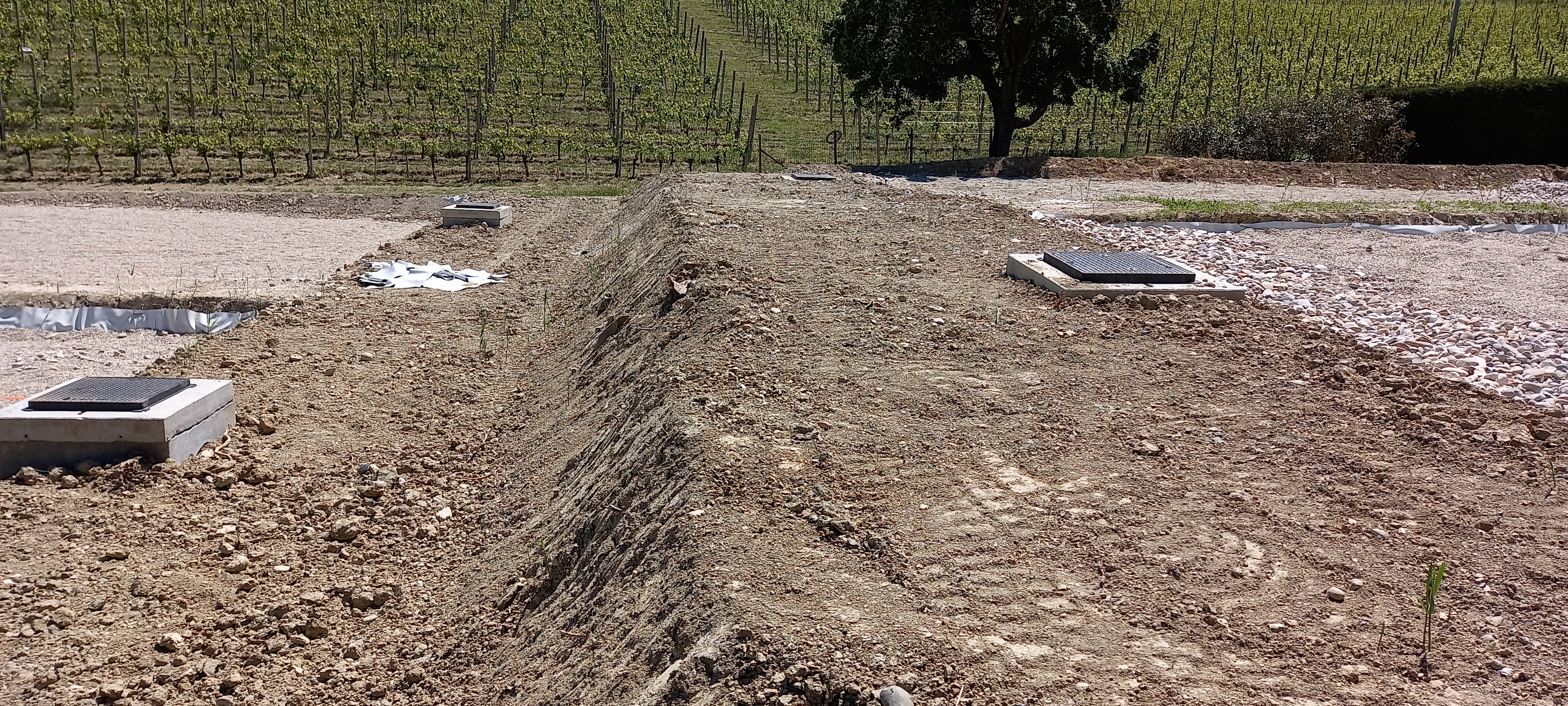
Quite the opposite. Constructed wetlands are the most suitable system for seasonal facilities: agritourism farms, campsites, hotels, holiday homes, wineries. Unlike activated sludge, they are not significantly affected by load variations thanks to much longer hydraulic retention times.
Constructed wetlands are suitable for water reuse
By consistently delivering excellent treatment performance, well-sized systems enable irrigation reuse of treated water under EU Reg. 2020/741, saving both energy and water resources.
Constructed wetlands achieve high bacterial removal
Microbiological contaminants are reduced on average by 99%, with peaks of 99.9%. The alternation of aerobic and anaerobic conditions prevents the survival of the vast majority of bacterial strains.
Constructed wetlands generate odours and breed mosquitoes
In subsurface flow systems, the effluent level is maintained 10–15 cm below the surface — no water at the surface. The surface is therefore dry, preventing odours and insect breeding.
Constructed wetlands allow total evapotranspiration of wastewater
Constructed wetlands are full treatment systems: everything that enters exits as treated water. Total zero-discharge would require 20–25 m² per PE even in near-desert conditions.
Suitable only for predominantly biological wastewater
Being based on natural biomass transformation, they can be used only for predominantly biological wastewater. They are not suitable for highly industrial effluents with a strong chemical component.
Can be built at various latitudes and altitudes
These systems can be built throughout Italy and generally at altitudes not exceeding 1,600–1,800 m above sea level.
After a few years the plants must be replaced
Correctly sized systems do not require replacement of the macrophyte plants. If chosen and planted correctly, they will not need to be replaced during the system's lifetime.
The pre-treatment tanks require periodic emptying
Periodic emptying of the pre-treatment tanks is essential — a well-established practice already common for conventional treatment systems.
Some plants can be cut back in winter
Phragmites Australis takes on a "dry" appearance in the cold season. In this case, and only for aesthetic reasons, cutting back to a few centimetres above ground is permitted. System performance is not affected.
Constructed wetlands cost more than other systems
For equal PE served and equal treatment performance, constructed wetlands are unrivalled even in terms of capital costs.
Running and maintenance costs are virtually nil
Except for periodic pre-treatment emptying, constructed wetlands incur no significant running costs, having no motors or electromechanical parts. Only vertical flow systems have costs associated with pump use.
Well-built constructed wetlands are made to last
A well-built and well-managed system can last more than 25 years. No replacement of the fill medium is required during the service life.
A poorly managed system may clog
Failure to empty pre-treatment tanks periodically leads to gradual clogging. However, construction measures taken at build time can make any extraordinary maintenance straightforward.
Initram Impresa Italia S.r.l. has been promoting constructed wetlands as a natural wastewater treatment technology for over 25 years. Building a good constructed wetland does not require heroic effort, but it does require careful documentation and on-site verification of feasibility. In Italy, companies genuinely qualified to design and build constructed wetlands are few. Unfortunately, far more numerous are those who improvise and offer "fake" systems as genuine constructed wetlands.
Dott. Massimo Martini — President, Initram Impresa Italia S.r.l.